

Patient Financing Options 101:
What Revenue Leaders Need to Know
In today’s environment, patient financing options play a critical role in helping providers improve collections while giving patients more flexible ways to pay for care.

What Is Patient Financing?
PayZen’s healthcare financing pairs AI-powered, patient-centric payment plans with the patient financial experience health systems want to deliver. It also integrates directly with the EHR and portal workflows revenue cycle teams already use, so enrollment and repayment tracking don’t require a separate system.
Third-party vendors offer a range of financing for patients, including:
- Recourse and non-recourse options
- Interest-bearing and interest-free plans
- Fee-based or entirely fee-free programs
Third-party patient financing options are often pre-defined payment plans.

The PayZen Approach
PayZen offers a different approach to patient financing options. Instead of one-size-fits-all loans, PayZen offers personalized, flexible plans tailored to each patient’s ability to repay. Always interest-free. Always fee-free. Embedded directly in your EHR workflow.
Why Hospitals Need a Patient-First Financing Partner
Hospitals recover only 24% of what patients owe. Expanding patient financing options reduces monthly payment burdens, helps patients stay on track, and gives health systems a measurable lift in collections without adding administrative burden.
A patient-first financing program can reduce monthly payment burdens and lower out-of-pocket costs, helping patients stay on track. By partnering with a modern, patient-friendly financing partner that tailors repayment terms to each patient, hospitals can improve collections, reduce risk, and expand access.
Exploring Today’s Patient Financing Options
Evaluating today’s healthcare patient financing options means considering both recourse and non-recourse models. However, the right approach depends less on structure and more on measurable results and outcomes.

Recourse Financing
Recourse models offer upfront cash to providers, but any unpaid patient balances are ultimately returned to the health system. This approach typically allows for lower financing costs, since the provider retains some risk.

Non-Recourse Financing
With non-recourse financing, the vendor assumes the entire risk of the loan, even if the patient does not repay. This structure eliminates risk for the provider and simplifies financial forecasting.
What to Look for in an EHR-Integrated Financing Partner
Not all patient financing solutions are built for today’s healthcare challenges. When evaluating options, look for a partner that delivers measurable impact for both patients and your bottom line. Healthcare organizations ready to modernize their approach can explore patient financing for providers on the PayZen platform
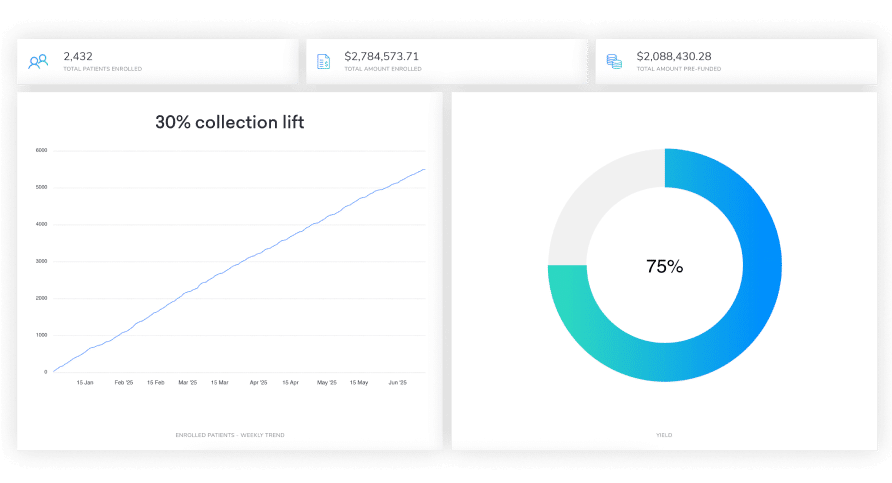
Collections Lift
Drives meaningful lift, especially among patients at risk of default.
PayZen utilizes technology across the entire account lifecycle—from personalized plans to proactive account servicing—so patients can choose the best payment option for their budget. The result: higher adoption and more payments collected from accounts that would otherwise go to bad debt.
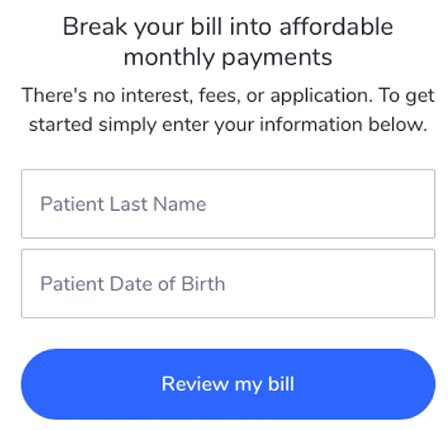
Patient Access
Approves a broad swath of patients, not just those with high credit scores.
PayZen uses AI to underwrite based on true ability to pay, enabling access for patients who traditional financing models often exclude. See how this works in practice on the PayZen platform.
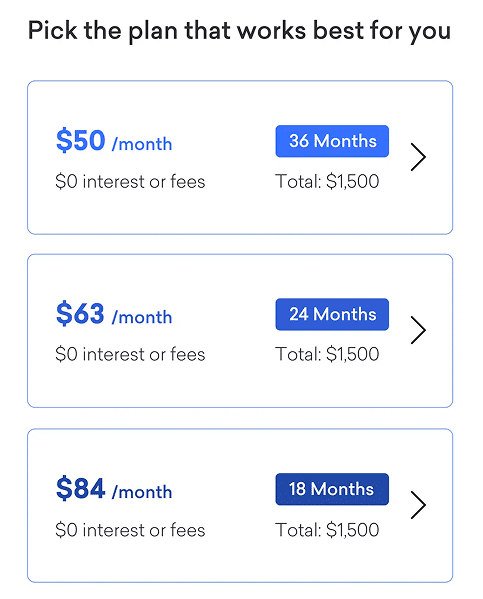
Transparency & Trust
Promotes affordability and fosters trust through interest-free and fee-free plans.
PayZen always offers 0% interest, no hidden fees, and no aggressive collection tactics. Patient satisfaction continues to rise, with a Net Promoter Score of 71—50% higher than the industry average.
Operational & Incentive Alignment
Integrates seamlessly with existing billing strategies, reduces staff workload, and ensures shared success.
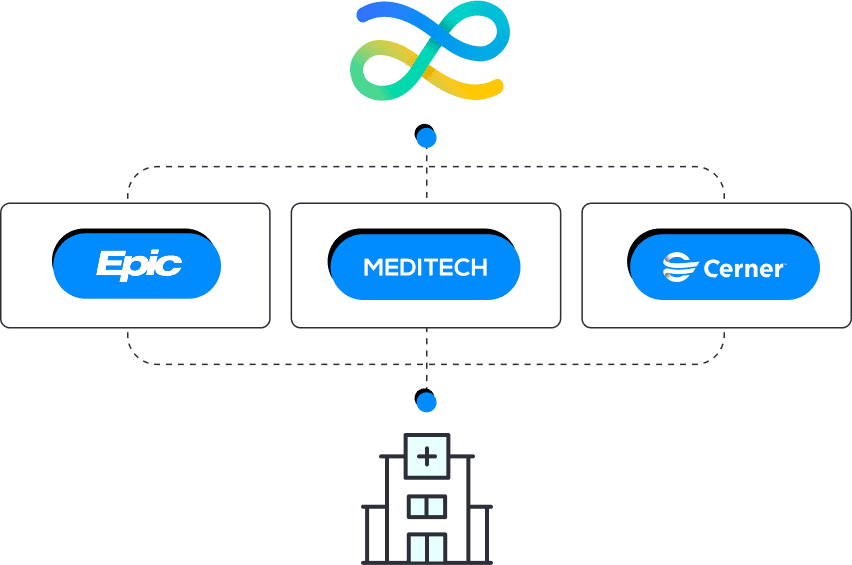
PayZen is embedded in EHRs and patient portals with automated workflows and full lifecycle account servicing. It also supports in-house plan growth and utilization, without cannibalizing existing programs.
Implementation Overview
PayZen’s implementation team handles EHR and portal configuration, patient communications setup, staff training, and a security review before go-live. Most health systems move from kickoff to a live financing program within four weeks, with a dedicated PayZen team managing the technical lift so revenue cycle staff aren’t pulled into IT work.
Because financing is embedded in the PayZen platform and the EHR workflows teams already use, day-to-day operations change very little. For a wider view of how AI-driven patient financing works across a health system, see our full overview.
FAQs
What are patient financing options in healthcare?
Patient financing options help patients pay for medical care over time through structured, affordable payment plans. They are a key tool for hospitals and health systems looking to improve affordability, expand access, and drive stronger collections. PayZen’s AI-powered platform delivers personalized, interest-free plans embedded directly in your EHR workflow.
What is the difference between recourse and non-recourse patient financing?
With recourse financing, unpaid patient balances are ultimately returned to the health system. With non-recourse financing, the vendor assumes the full risk of the loan. PayZen offers programs across both structures, with AI-powered personalization that drives stronger repayment outcomes regardless of which model a health system chooses.
How does PayZen make patient financing options easier for providers to implement?
PayZen embeds directly into your EHR workflow, automates patient enrollment, and requires no IT investment. Most providers go live within four weeks with a dedicated implementation team.
What should revenue cycle leaders look for in a patient financing options partner?
Look for a partner that offers personalized plans based on ability to pay, transparent terms with no hidden fees, measurable collections lift, and seamless EHR integration. PayZen delivers on all four.
How does PayZen integrate with Epic MyChart and other EHR environments?
PayZen embeds directly into Epic MyChart and other EHR patient portals as part of its broader health services financing platform, so enrollment and plan management happen inside the tools patients and staff already use, without a separate login or manual reconciliation.
How hard is it to integrate PayZen via API if we’re not on Epic?
For health systems on other EHR platforms, PayZen integrates via API with a defined implementation path. Most non-Epic integrations follow the same timeline as Epic go-lives, with PayZen’s team handling the technical configuration.
How long does implementation take?
Most health systems go live within four weeks of kickoff. PayZen’s implementation team manages EHR configuration, staff training, and security review so the timeline isn’t dependent on internal IT bandwidth.
Who owns the financing workflow after go-live, IT or revenue cycle?
Revenue cycle teams own day-to-day plan management and patient communication after go-live. IT involvement is front-loaded into the implementation phase, with minimal ongoing technical maintenance required.